Welcome To Dean's Pharmacy Ltd.

Mon - Sat 8:30am - 8:00pm | Call Us: 876-671-2059
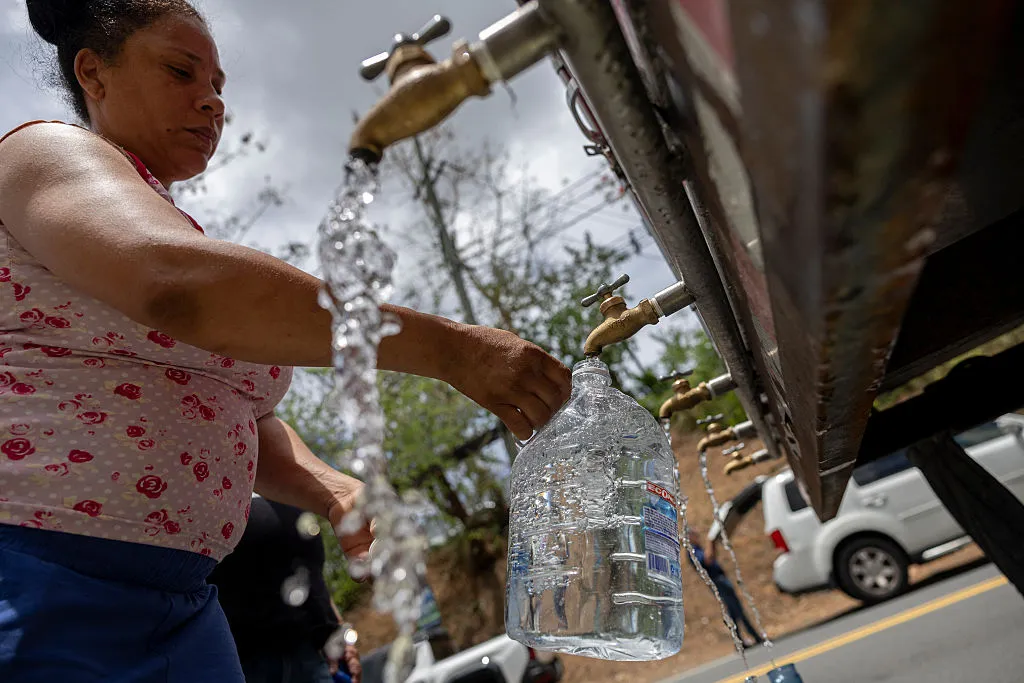
Prolonged El Niño events and record-high sea surface temperatures are disrupting regional rainfall patterns across the Caribbean. As a result, Jamaica’s traditional wet seasons (typically in May and October) are delivering significantly less rain than normal. Without this rainfall, aquifers, reservoirs, and rivers cannot recharge, pushing the island into severe hydrological and agricultural drought.
Here is what you need to know about how this crisis impacts your health, home and garden, and the immediate steps you can take to protect your family.
When severe dry spells hit, the effects on everyday life are immediate, especially for health and sanitation. Storing untreated water in open containers leads to bacterial growth, causing spikes in illnesses such as gastroenteritis. These open drums also invite Aedes aegypti mosquitoes to breed, raising the risk of Dengue fever. Water scarcity often results in less handwashing, contributing to more skin infections, while dusty air aggravates asthma and sinus problems.
These disruptions affect both daily routines and home finances. Unpredictable NWC lock-offs and low pipe pressure force families to schedule basic chores around water availability, often driving up expenses as people buy bottled water or hire private water trucks. As surrounding brush dries out in the heat, the danger of domestic fires also increases.
Out in the yard, home gardens take a direct hit. Parched soil quickly wilts backyard crops and fruit trees, cutting off local harvests. On top of that, strict prohibition orders ban hose usage for lawns, cars, and pools, leaving household greenery to survive the heat on its own.
Fortunately, you do not have to weather the drought unprepared. Here are some smart ways to lessen the impact:
At Deans Pharmacy, your community’s health is our top priority. Stop by our counter for water purification tablets, rehydration salts, skin moisturizers, and expert advice on keeping your family healthy throughout the dry season.


